

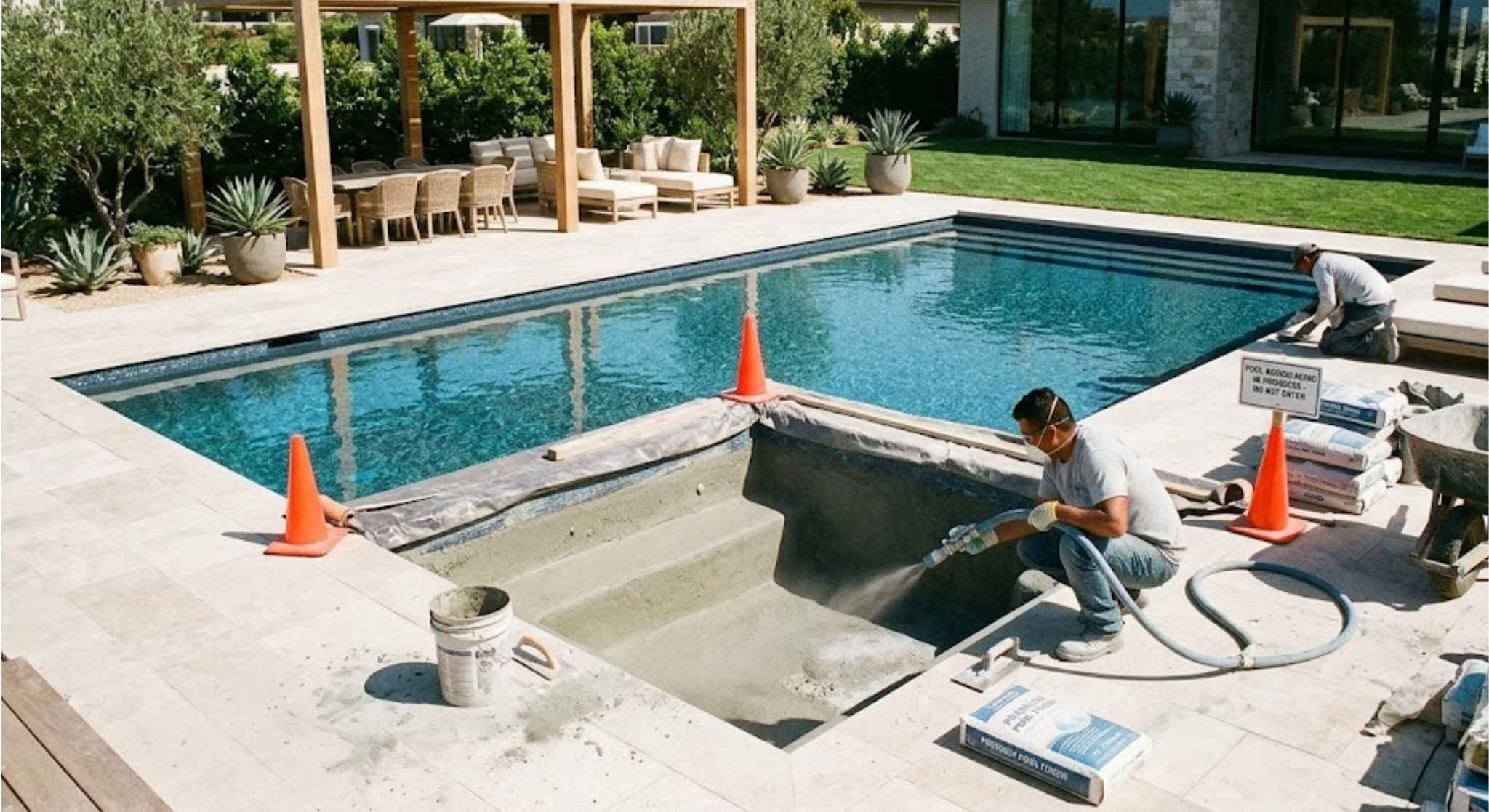
In Central Texas, a swimming pool is much more than a functional amenity; it is the absolute centerpiece of your outdoor living space. During the sweltering Austin summers, your backyard oasis serves as a sanctuary for relaxation, a hub for family entertainment, and a stunning visual anchor for your property. However, even the most beautifully designed pools are not immune to the relentless wear and tear of harsh ultraviolet rays, fluctuating water chemistry, and constant use. Over time, that once-pristine interior finish can become stained, rough, and visually exhausted, dragging down the aesthetic appeal of your entire backyard.
Fortunately, revitalizing your pool does not always require a massive structural overhaul. A fresh finish can dramatically improve your outdoor space. Get expert pool resurfacing in Austin, TX with Clear Solutions to refresh both function and appearance. Upgrading your pool’s interior surface breathes brilliant new life into the water, elevating your property’s value and restoring your pride in your outdoor oasis. Here is a comprehensive guide on how pool resurfacing can completely transform your backyard aesthetics.
1. Eliminating the Eyesores of an Aging Pool
The aesthetic decline of a swimming pool usually happens gradually, making it easy for homeowners to overlook the severity of the degradation. However, once you notice the visual flaws, they become impossible to ignore.
An aging pool surface commonly suffers from the following cosmetic issues:
- Mineral Staining: Imbalanced water chemistry can cause dissolved metals (like copper and iron) to drop out of solution, leaving permanent brown, green, or rusty stains embedded deeply in the porous plaster.
- Calcium Nodules and Scaling: High calcium hardness often results in rough, white, crusty deposits along the walls and floor, making the pool look permanently dirty and neglected.
- Mottling and Plaster Degradation: As the cement paste breaks down, the underlying aggregate becomes exposed unevenly, creating a patchy, cloudy appearance that ruins the crisp, clean look of the water.
By removing this degraded layer and applying a brand-new surface, you instantly erase years of structural fatigue, replacing an embarrassing eyesore with a flawless, inviting canvas.
2. Choosing a Surface Material That Elevates Your Vibe
The material you choose for your resurfacing project will dictate the entire visual and tactile experience of your pool. Modern advancements in aquatic finishes offer Austin homeowners an incredible array of luxurious options that go far beyond standard white plaster.
| Material Type | Aesthetic Characteristics | Tactile Feel | Longevity |
|---|---|---|---|
| Standard Marcite Plaster | Classic, clean, matte finish. Offers a traditional light blue water color. | Very smooth to the touch, but can become rough as it ages. | 5 – 7 Years |
| Quartz Aggregate | Highly dimensional and sparkling. Available in vibrant custom colors. | Smooth with a slight, comfortable grip. | 10 – 15 Years |
| Pebble Aggregate | Earthy, natural, and highly textured. Creates a rich, lagoon-like depth. | Noticeably textured and massaging on the feet. | 15 – 20+ Years |
Upgrading to a premium quartz or pebble finish not only adds decades of durability to your pool shell but also introduces a sophisticated, resort-style aesthetic that standard plaster simply cannot match.
3. Mastering Water Color Theory
One of the most exciting aesthetic benefits of pool resurfacing is the ability to change the actual color of your water. The water in a pool acts as a massive mirror, reflecting the sky and filtering light through the interior finish. By changing the dye and aggregate color of your plaster, you completely alter the visual mood of your backyard.
Design Note: The deeper the pool, the richer the water color will appear, regardless of the plaster finish you select.
- Caribbean Blues: If you want bright, tropical, and highly inviting water, choose a white or light gray base with blue quartz crystals. This reflects the maximum amount of light, creating a sparkling, translucent blue.
- Deep Lagoons: For a more natural, heavily shaded backyard surrounded by trees, a green or dark grey pebble finish will create a deep, reflective, emerald-toned lagoon that blends seamlessly with the surrounding landscape.
- Modern Mirror Pools: Black or very dark charcoal finishes are incredibly popular for ultra-modern architecture. These dark surfaces create a perfect, highly reflective mirror effect that beautifully captures the surrounding architecture and sky.
4. Synergizing the Surface with Tile and Coping
While the interior finish is the main event, resurfacing presents the perfect, cost-effective opportunity to upgrade the transitional elements of your pool. The waterline tile and the coping (the edge around the perimeter) frame your new finish.
If you are upgrading to a sleek grey quartz finish, leaving your outdated 1990s floral waterline tile in place will completely ruin the modern aesthetic. Pairing your new interior surface with iridescent glass mosaic tiles or large-format porcelain will create a cohesive, updated look. Similarly, replacing cracked, outdated brick coping with elegant, cool-touch travertine or modern limestone seamlessly ties the pool directly into your patio decking, unifying the entire backyard design.
Conclusion
Your backyard should be a private resort, a place where you can escape the daily grind and entertain guests with absolute confidence. If a stained, rough, or visually dated swimming pool is holding back your landscape’s potential, it is time to take action. Pool resurfacing is a highly strategic investment that yields massive aesthetic dividends, completely transforming the color, texture, and character of your water. By selecting a premium aggregate finish and partnering with dedicated Austin-based professionals, you can ensure your renovation is executed flawlessly. Breathe new life into your property and get ready to enjoy a stunning, revitalized outdoor oasis for decades to come.
Frequently Asked Questions (FAQ)
Q: Will resurfacing my pool fix underlying leaks?
A: Resurfacing fixes minor structural leaks associated with degraded, cracked plaster. However, if your pool is losing a significant amount of water due to broken underground plumbing lines or major cracks in the gunite shell, those structural issues must be explicitly repaired before the new surface is applied.
Q: How long does the pool resurfacing process take in Austin?
A: For a standard residential swimming pool, the actual resurfacing process which includes draining, chipping out the old material, applying the new finish, and refilling the pool typically takes about 7 to 14 days, depending on weather conditions and material availability.
Q: Is it worth the extra cost to upgrade to a pebble finish?
A: Yes, for most homeowners, the upgrade is highly cost-effective over the long term. While pebble finishes require a higher initial investment, they are nearly impervious to chemical degradation and can last 15 to 20 years or more, whereas standard plaster generally requires replacing every 5 to 7 years.