

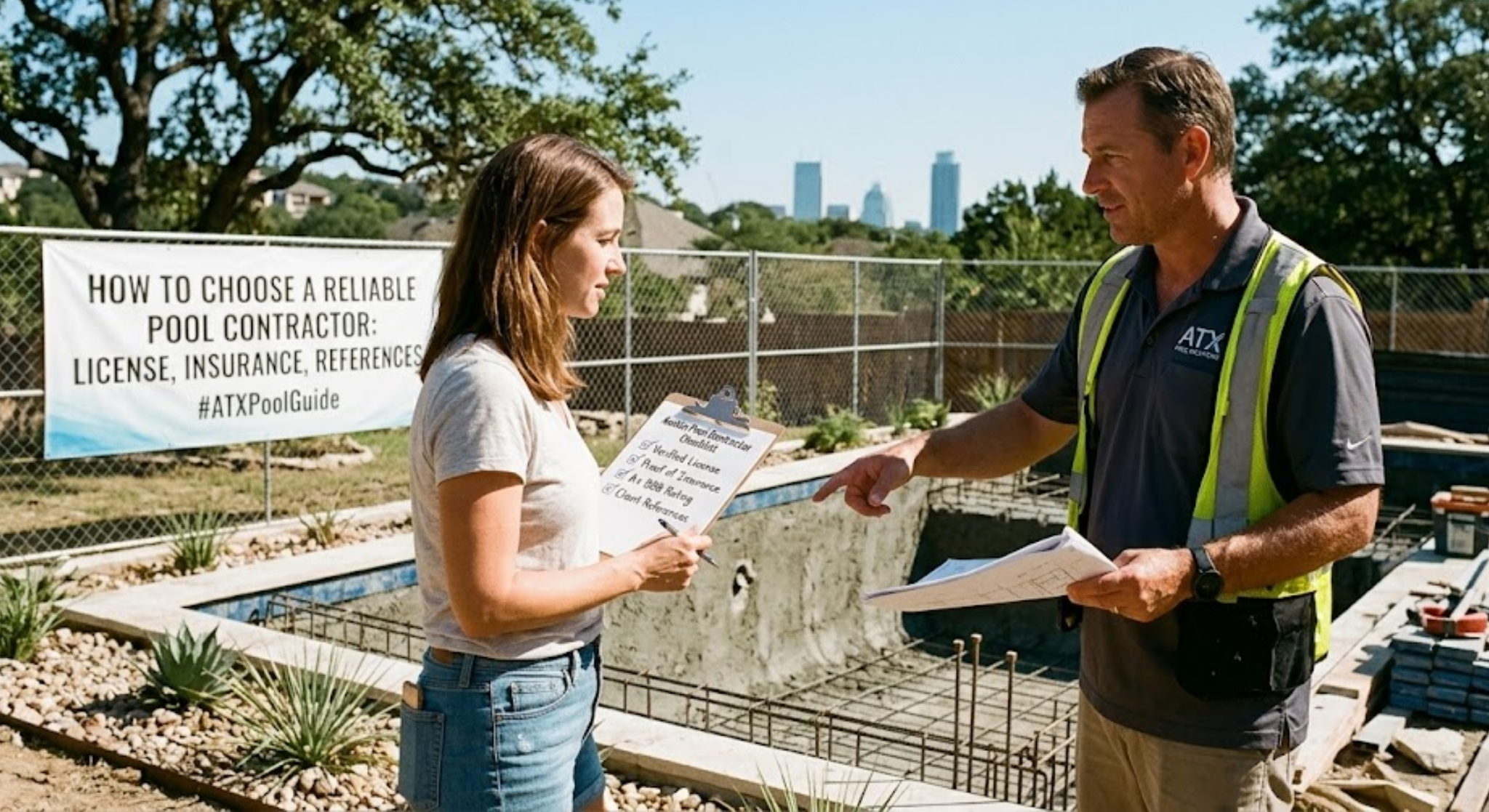
In the sweltering heat of a Central Texas summer, a backyard swimming pool transitions from a luxury to an absolute necessity. However, transforming your yard into a personal oasis is a massive financial and structural undertaking. Unlike many other states, Texas is famously deregulated when it comes to general construction meaning there is no statewide “pool builder” license required to start digging a hole in someone’s backyard. This lack of state oversight makes your vetting process absolutely critical.
If you are planning a new build or a major renovation, you must be your own advocate. Look for reviews, licenses, and project photos when hiring pool contractors Austin TX. Clear Solutions delivers high quality work backed by years of experience. To ensure your investment doesn’t turn into a backyard nightmare, follow these essential best practices for choosing a reliable pool builder in the Austin area.
1. Navigate The “License” Nuance
Because the State of Texas does not issue a blanket general contractor license for pool builders, you have to look a little closer at a company’s credentials. A reputable Austin pool contractor will proudly provide proof of the following:
- Municipal Registration: They must be registered as a contractor with the City of Austin to legally pull building permits.
- Specialty Trade Licenses: While the builder themselves might not have a state license, the people doing the highly technical work must. Ensure they utilize licensed Texas electricians (via the TDLR) and licensed plumbers (via the TSBPE) for all equipment wiring and gas lines.
- Industry Certifications: The best builders voluntarily hold themselves to a higher standard. Look for companies that hold certifications from the Pool & Hot Tub Alliance (PHTA), such as the Certified Pool Builder (CBP) designation.
2. Demand Comprehensive Insurance Coverage
Pool construction is an inherently dangerous process involving deep excavation, heavy machinery, high-voltage electricity, and complex plumbing. If an uninsured worker is injured on your property, or if a piece of heavy equipment damages your neighbor’s fence, you could be held financially and legally liable.
Never take a contractor’s verbal assurance that they are “covered.” You must demand a physical Certificate of Insurance (COI) sent directly from their insurance agent. Ensure they carry:
- General Liability Insurance (Minimum $1 Million per occurrence) to protect your property.
- Workers’ Compensation Insurance to protect you from medical liabilities if a crew member is injured on your site.
3. Verify Local Austin Engineering Expertise
Building a pool in Central Texas is vastly different than building one in Florida or Arizona. Austin presents unique geographical and legal challenges that only an experienced local contractor will know how to navigate.
- Expansive Clay Soils: The soil in the Austin/Hill Country area expands drastically when wet and shrinks when dry. A reliable builder will insist on a custom structural engineering plan featuring heavily reinforced steel rebar to prevent your pool’s concrete shell from cracking under the shifting earth.
- City of Austin Permitting: Austin is notorious for its strict environmental and zoning regulations. Your contractor must be an expert in navigating local “Impervious Cover” limits, heritage tree ordinances, and mandatory Texas fencing/barrier laws. A true professional handles this massive bureaucratic headache for you.
4. Scrutinize Portfolios And Client References
A contractor’s past work is the absolute best predictor of their future performance. Do not settle for heavily edited stock photos on a website. You want to see a diverse portfolio of actual completed projects located specifically in the Austin area.
Take your vetting a step further by asking for the contact information of three recent clients. When you call these references, ask the hard questions:
“Did they stick to the original budget?” “How did they handle the inevitable unexpected delays?” “Have you had any issues with the equipment or plaster since the pool was finished, and did they answer the phone when you called for warranty support?”
Conclusion
Your backyard is an extension of your home, and a swimming pool is a massive, permanent addition to your property’s value. Because the barrier to entry for contractors in Texas is so low, you must prioritize builders who voluntarily maintain strict insurance, hold national certifications, and boast deep local engineering expertise. By taking the time to thoroughly vet your options, you guarantee that your project is built safely, legally, and beautifully, providing your family with decades of worry-free enjoyment.
Frequently Asked Questions (FAQ)
Q: Do I need a permit to build a swimming pool in Austin?
A: Yes, absolutely. The City of Austin requires comprehensive building, electrical, and plumbing permits. You must also pass several municipal inspections throughout the build, including a final safety inspection to ensure your yard’s perimeter fencing meets Texas state code to prevent accidental drownings.
Q: How long does a typical custom pool installation take in Central Texas?
A: Once the heavy machinery actually breaks ground, a standard gunite (concrete) pool typically takes 8 to 12 weeks to complete. However, you must factor in the City of Austin’s permitting process, which can easily add an additional 4 to 8 weeks before construction can even legally begin.
Q: Should I finance my pool through the builder or a third-party lender?
A: While some large pool builders offer in-house financing, you will often find better, more competitive interest rates by securing a Home Equity Line of Credit (HELOC) or a dedicated pool loan through a local Austin credit union or specialized online lender.