

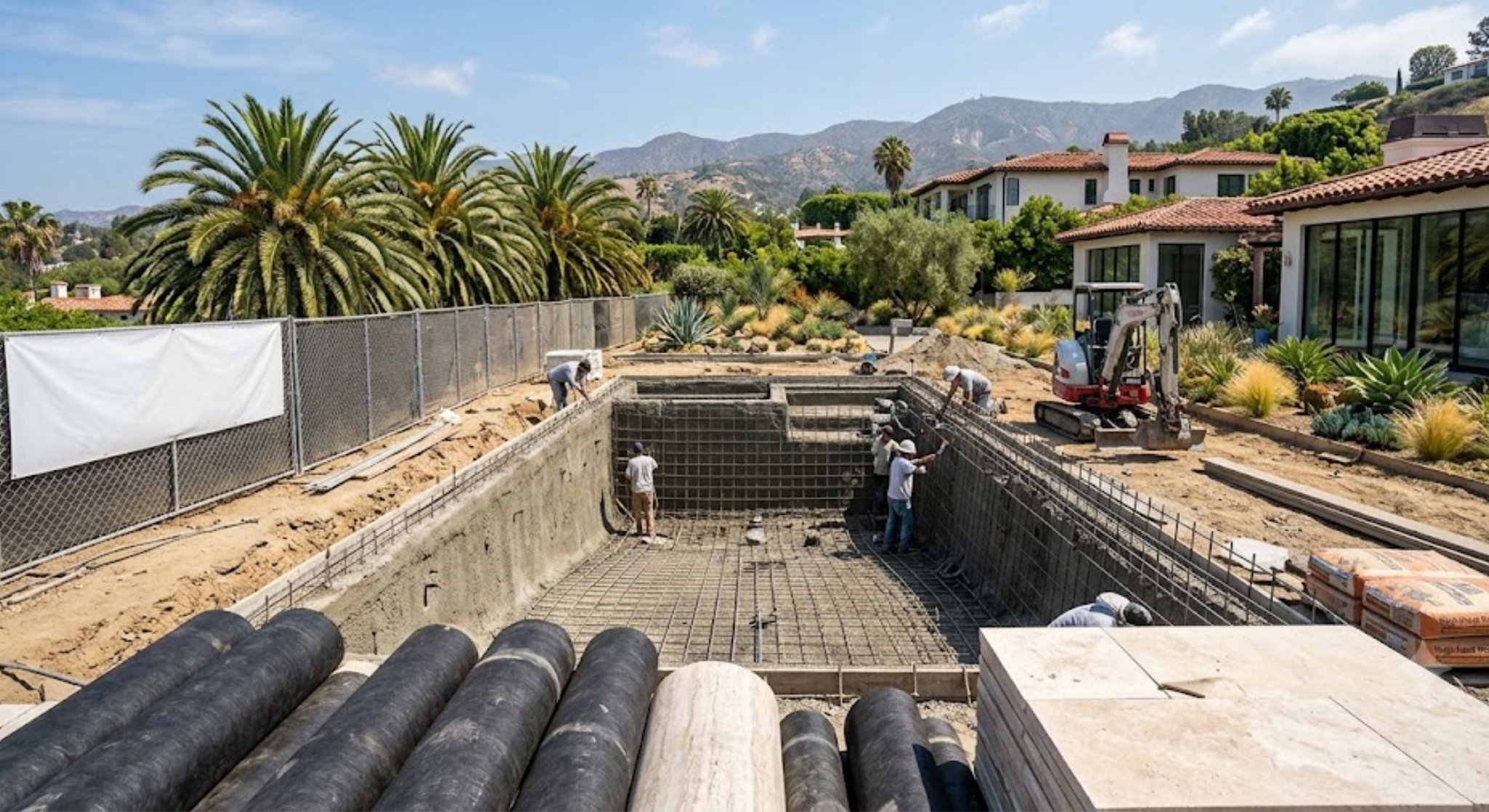
Beverly Hills is synonymous with architectural prestige, sprawling luxury estates, and a quintessential indoor-outdoor California lifestyle. Central to this lifestyle is the backyard swimming pool. In Southern California, a pool is not merely a seasonal amenity; it is a year-round focal point for entertainment, fitness, and relaxation. While the famously sunny, Mediterranean-like weather makes Beverly Hills an ideal location for aquatic living, this specific climate also presents unique engineering and design challenges that must be addressed during the construction phase.
From intense year-round ultraviolet (UV) radiation and prolonged drought conditions to the geological complexities of hillside microclimates, the local environment dictates how a pool must be built to ensure longevity. Working with an experienced Beverly Hills pool builder helps homeowners achieve pool designs that match their lifestyle, architecture, and long-term property goals. By understanding how the regional climate impacts material selection, structural engineering, and hydraulic efficiency, you can ensure your luxury oasis remains pristine for decades.
Here is an in-depth look at how the Beverly Hills climate directly influences custom pool construction.
1. Intense UV Exposure and Material Degradation
Beverly Hills boasts an average of nearly 280 sunny days per year. While this is perfect for lounging poolside, constant exposure to intense solar radiation takes a severe toll on construction materials. UV rays can rapidly break down substandard pool finishes, cause cheap tiles to lose their luster, and degrade the PVC piping used in filtration systems.
To combat this, expert pool construction in this climate requires the use of premium, UV-stable materials.
- Interior Finishes: Traditional white plaster, while cost-effective, can mottle or chalk quickly under the intense California sun. Builders frequently recommend upgraded pebble finishes, quartz aggregates, or fully tiled glass interiors. These materials are highly resistant to UV fading and chemical breakdown, maintaining their vibrant color and smooth texture for years.
- Hardscaping and Coping: The decking surrounding the pool absorbs massive amounts of heat. Using dense, dark materials can make the pool deck uncomfortably hot for bare feet. Builders often utilize light-colored natural stones, like travertine or specialized cooling concrete overlays, which reflect the sun’s rays and remain cool to the touch even in the peak of August.
2. Microclimates: The Flats vs. The Canyons
The geography of Beverly Hills is split into two distinct areas: the relatively level “Flats” south of Sunset Boulevard, and the winding, elevated canyons to the north. The climate and geological conditions shift dramatically between these two zones, deeply impacting construction.
In the canyons, properties are subject to extreme temperature fluctuations. The air can be significantly hotter during the day and drastically cooler at night as the canyon winds sweep through. Furthermore, hillside construction involves expansive clay soils that shrink during the dry season and swell massively during rare, heavy winter rains. A premier builder must engineer the pool’s concrete shell to withstand this shifting earth. This often requires deep subterranean caissons concrete pillars drilled deep into the bedrock and heavily reinforced steel rebar cages to anchor the pool safely to the hillside, completely neutralizing the threat of slope creep or structural cracking.
[ Climate & Topography Engineering Matrix ]
      |
      +---> The Flats: Focus on high-water tables and privacy landscaping.
      |
      +---> The Canyons: Deep caisson foundations to combat soil shifting.
      |
      +---> Wind Tunnels: Automated covers and windbreak hardscaping.
      |
      +---> High Sun Exposure: Premium UV-resistant pebble and tile finishes.
3. Drought Conditions and Water Conservation Mandates
Southern California is historically prone to extended periods of drought. Because of this, the City of Beverly Hills and the broader Los Angeles County enforce strict environmental codes and water conservation mandates. Designing a pool that loses thousands of gallons of water annually to evaporation is no longer viable or legally compliant.
Climate-conscious pool construction addresses evaporation and water loss through smart technology and strategic design:
- Automated Pool Covers: An integrated, hidden automatic pool cover is one of the most effective tools for a Beverly Hills pool. By covering the water when not in use, homeowners can reduce water evaporation by up to 90%, preserving thousands of gallons annually.
- Wind Mitigation: Canyon breezes significantly accelerate evaporation. Builders often integrate architectural retaining walls, sunken lounge areas, or strategic glass windbreaks to shield the water’s surface from continuous air flow.
- Cartridge Filtration Systems: Traditional sand or diatomaceous earth (DE) filters require frequent “backwashing,” a process that flushes hundreds of gallons of treated pool water directly into the sewer. Modern, oversized cartridge filters are cleaned manually with a hose, saving a massive amount of water and keeping your pool strictly eco-compliant.
4. Year-Round Swimming and Thermal Efficiency
Because the Beverly Hills climate rarely drops to freezing temperatures, homeowners expect to use their pools and attached spas 365 days a year. However, winter nights can dip into the 40s (Fahrenheit), meaning efficient heating systems are essential to maintain a comfortable water temperature without incurring astronomical utility bills.
A modern pool must be built with an energy-efficient hydraulic backbone. Builders integrate variable-speed circulation pumps that operate at a whisper-quiet, low flow rate to keep water turning over without wasting electricity. To combat the cooler winter air, hybrid heating systems are incredibly popular. By combining an ultra-efficient electric heat pump (which draws ambient heat from the air) with a traditional high-output gas heater (for rapid spa heating), homeowners achieve the perfect balance of immediate comfort and long-term energy savings.
5. Managing Occasional Heavy Winter Rains
While Southern California is famously dry, the winter months can occasionally bring concentrated, heavy atmospheric river rainstorms. Because the soil is often baked hard by months of sun, sudden heavy rain does not absorb quickly, leading to rapid surface runoff.
If a pool’s surrounding deck is not properly graded, this dirty, debris-filled runoff will pour directly into your pristine pool water, throwing off the chemical balance and clogging the filtration system. Expert builders carefully calculate the hardscape grading, installing discrete perimeter strip drains and French drainage systems to immediately capture and divert rainwater away from the pool shell and safely off the property, protecting your oasis regardless of the weather.
Conclusion
The spectacular climate of Beverly Hills is the very reason outdoor living is so highly prized in the region. However, harnessing that environment to create a flawless, enduring custom pool requires far more than basic excavation. From mitigating the effects of intense UV rays and canyon winds to implementing strict water-conservation technologies and hillside structural engineering, every phase of the build must be tailored to the local atmosphere. By partnering with a dedicated, highly experienced luxury pool builder who understands the nuances of the Southern California climate, you ensure that your backyard investment remains a stunning, efficient, and relaxing retreat for a lifetime.
Frequently Asked Questions (FAQ)
Q: Do I need a pool cover in Beverly Hills if it never snows?
A: Yes. While snow is not a factor, a pool cover is highly recommended in Beverly Hills to prevent massive water loss through evaporation during hot, dry days, to retain heat during cool canyon nights, and to keep out debris from surrounding vegetation.
Q: Are saltwater pools popular in Southern California?
A: Extremely popular. Saltwater chlorination systems provide a softer, silkier water feel that is much gentler on the skin, eyes, and hair. Because they generate their own pure chlorine, they are also highly convenient and reduce the need to store harsh liquid chemicals on your property.
Q: How long does it take to build a custom pool in Beverly Hills?
A: The timeline varies greatly depending on the complexity of the design and the specific geology of your lot. A standard flat-lot pool might take 3 to 4 months, while a complex hillside infinity pool requiring deep caissons and extensive engineering reviews can take 6 to 9 months or more to complete.